


HAVFRONT FOLLA 2.0, stærsta byltingin í hausun og slógun fisks í áratugi, segir Sindre Dyb, Veidar AS.
Read the article from FHF – Norwegian Seafood Research Fund; FHF NEWS
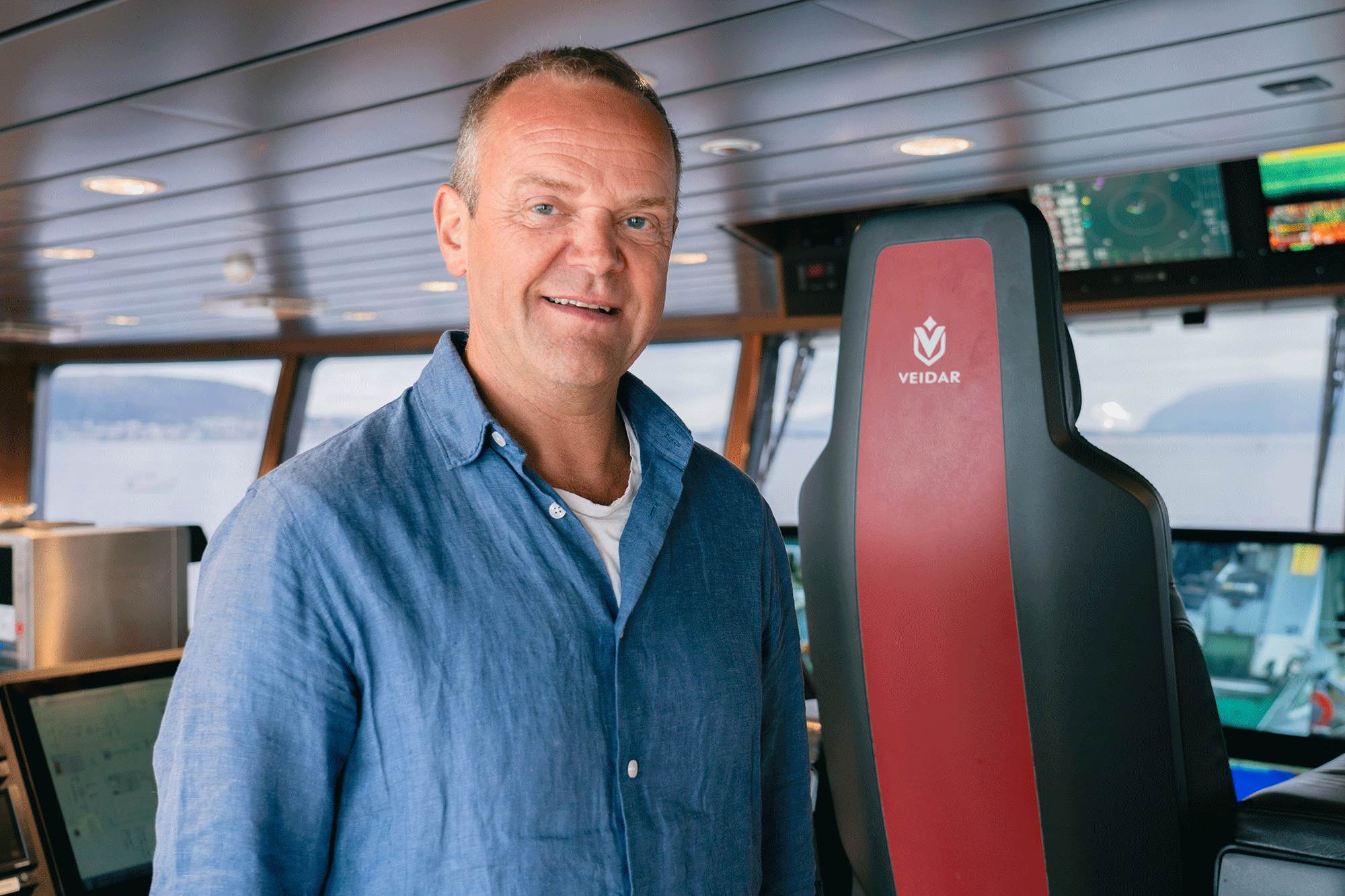
After testing the FOLLA machine under demanding conditions at sea, Sindre Johan Dyb, skipper and Managing Director of Veidar AS, believes the technology represents a significant leap forward in onboard catch handling.
“I would go as far as to say that this is the biggest revolution in fish heading and gutting machinery we have seen in decades,” says Sindre Johan Dyb, skipper and Managing Director of Veidar AS.
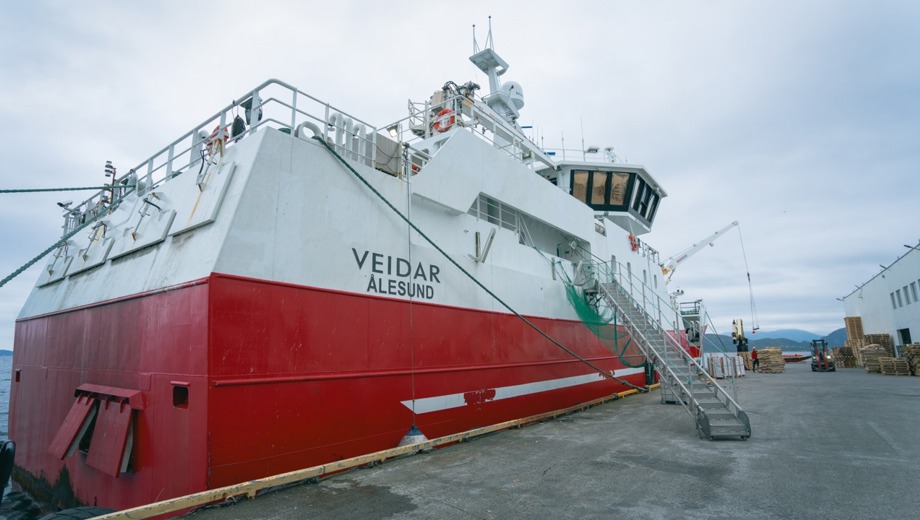
On board the autoline vessel Veidar, the crew has helped test and develop FOLLA 2.0—an automated heading and gutting machine designed to process multiple species and a wide range of fish sizes in a single machine. For the crew, the main priority was improving the working environment.
“It significantly reduces the workload, while improving the quality of both the fish and the raw materials produced on board. It enables precise heading and gutting of several species in the same machine while maintaining a high level of efficiency,” Dyb says.
“We wanted to take part in the project because we were interested in developing a heading and gutting machine that could significantly improve working conditions on board.
The main challenge was the physically demanding work involved in manually heading and gutting fish that could not be processed by our previous heading machines,” Dyb explains.
According to the skipper, what sets FOLLA apart is its ability to process all the fish sizes and most of the species handled on board.
Prófað við raunverulegar rekstraraðstæður
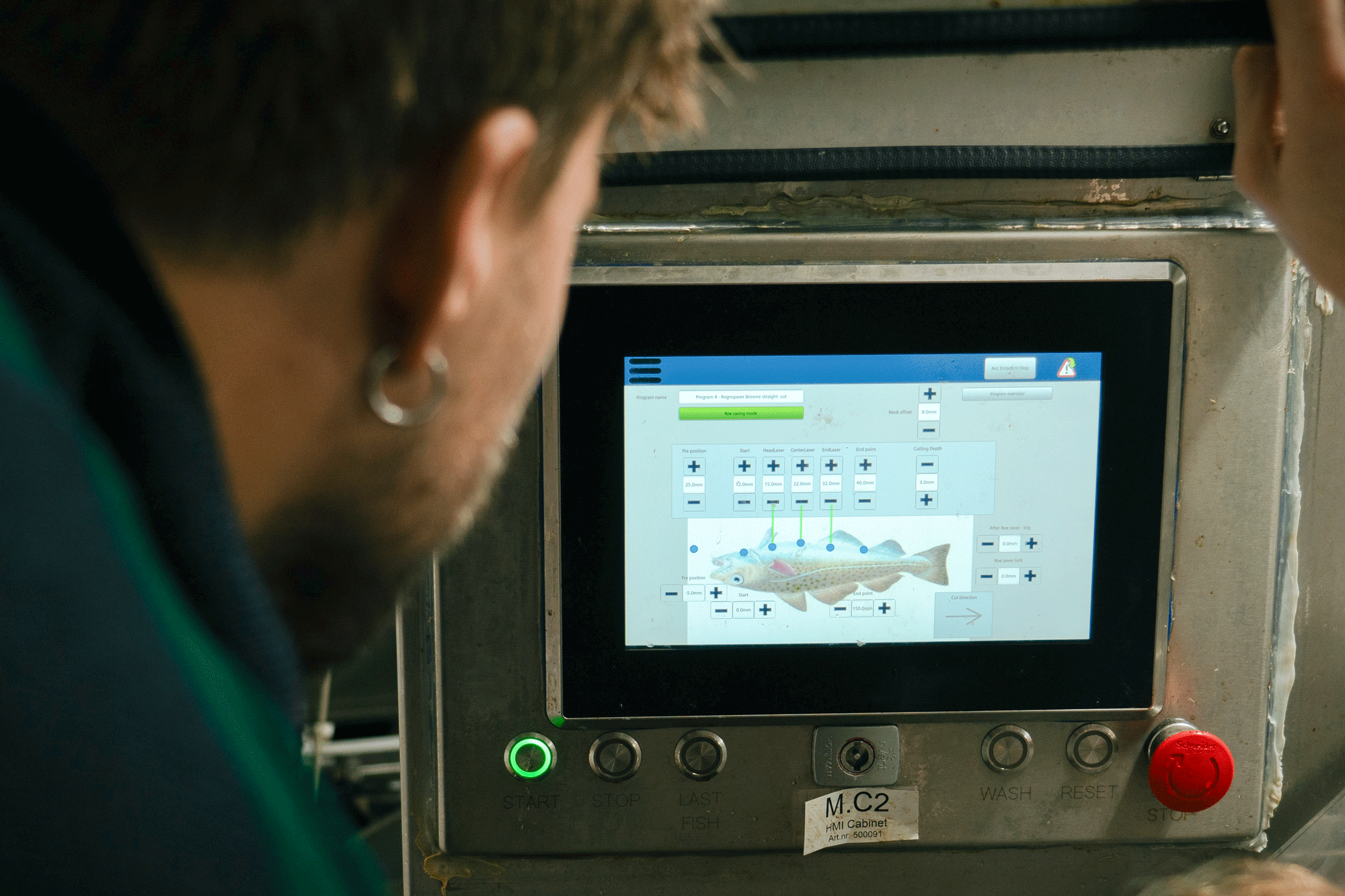
Að fá sjálfvirka vél til að virka í aðstöðu á landi er eitt. Um borð í úthafsfiskiskipi er tæknin útsett fyrir saltvatni, raka, titringi, hitasveiflum, hreyfingum skipsins og löngum framleiðslulotum. Þetta er einmitt ástæðan fyrir því að Veidar varð svo mikilvægur prófunarvettvangur.
„FOLLA stóð sig framar væntingum okkar í prófunum, jafnvel við krefjandi aðstæður. Í fyrstu ferðinni eftir uppfærsluna voru sérfræðingar frá Mustad með okkur á sjó í nokkrar vikur til að tryggja að allt virkaði eins og til stóð. Viðvera þeirra hjálpaði til við að gera gangsetningarferlið mun auðveldara. Náið samstarf við Mustad og Havfront í gegnum þróun vélarinnar hefur verið lykilatriði fyrir niðurstöðuna,“ segir Dyb.
Þróunarvinnan er hluti af FHF verkefninu „ Sjóvgun og innleiðing á FOLLA slímvélinni “.
Saltwater demanded new solutions
FOLLA was originally developed by Havfront AS as a gutting machine with a particular focus on the gentle handling of viscera. After Havfront filed for bankruptcy, Mustad Autoline acquired the assets from the bankruptcy estate and continued developing the technology.
According to Lasse Rindahl, Chief Technology Officer at Mustad Autoline, the need extends beyond one particular vessel group or fish species.
“There is an unmet need in the ocean-going fleet for a universal gutting machine that handles roe and liver gently, accommodates variations in species and size, and reduces physically demanding manual work,” says Rindahl.
However, significant parts of the system had to be adapted to ensure reliable operation at sea. A new mechanical design was developed, and conventional AC motors were replaced with IP69-rated servo motors. The sensors were given mechanical protection, optical sensors are cleaned using compressed air, and sensitive control electronics were relocated away from the wet production environment.
The software has also been further developed, allowing the machine to be adapted to different species, fish sizes and operating conditions.
Potential to reduce crewing requirements
For Veidar, however, the benefits extend far beyond the machine’s technical performance.
“We are seeing significant benefits in several areas, including safety, resource utilisation and, not least, reduced physical strain on the crew,” says Dyb. He also highlights a direct financial benefit.
“FOLLA reduces the workload, allowing us to operate with fewer crew members on board. It also preserves more of the valuable by-products—particularly whole, intact roe. In addition, it requires less maintenance than the machines we have previously used.”
The technology therefore addresses several of the challenges facing the fishing fleet: labour requirements, health and safety, efficient production, and improved utilisation of the entire catch.
Creating value from more of the fish
The gentle handling of the viscera is a key part of the concept. If roe and liver are damaged during gutting, the opportunities to make further use of these valuable raw materials are reduced.
The aim of FOLLA is therefore not simply to automate the operation, but to do so with sufficient precision to preserve the quality and value of a greater proportion of the by-products. At the same time, a single machine is designed to perform tasks that might otherwise require several specialised solutions.
For Dyb, the results from practical operation have been clear so far.
“It significantly reduces the workload, while improving the quality of both the fish and the raw materials produced on board. It enables precise heading and gutting of several species in the same machine while maintaining a high level of efficiency,” he says.
The automation journey is not yet complete
Although the experience on board Veidar has been positive, the technology is still being developed.
One current limitation is that the fish must have a bleeding cut before entering the machine. Processing fish directly without this preliminary cut could therefore be the next stage of development.
Another potential development is the automated and gentle onward handling of the viscera. If successful, an increasing share of the process—from the fish entering the onboard factory to the fish, roe, liver and other raw materials being directed into separate product streams—could be automated.
“Technology must be developed together with those who will use it”
For FHF, the experience gained on board Veidar is valuable beyond the development of this particular machine.
“If we are to succeed in automating more of the fishing fleet’s catch-handling operations, the technology must be developed and tested together with the people who will actually use it. It is only when the solutions are installed on board and exposed to fish, seawater, salt, vessel movement and continuous operation that we truly discover what works and what needs to be improved,” says Frank Jakobsen, Head of Department at FHF.
The Norwegian fishing fleet is technologically advanced, but many operations could still be automated.
He believes automation can deliver benefits in several areas at the same time.
“It is about efficiency, but also about health and safety, quality, and retaining more of the value from the catch. If technology can reduce heavy manual work while improving the utilisation of both the fish and its by-products, it is relevant to the entire industry.”
Jakobsen therefore believes it is important for FHF to continue its work on automation in close collaboration with the fishing fleet and the supplier industry.
“The Norwegian fishing fleet is technologically advanced, but many operations could still be automated. For FHF, it is important to continue working closely with the industry so that solutions are developed around genuine operational needs on board. The experience gained from Veidar provides valuable knowledge that we can apply to the development of the catch-handling solutions of the future,” says Jakobsen.

HAVFRONT LOPPA 100 - framleitt af Mustad Autoline
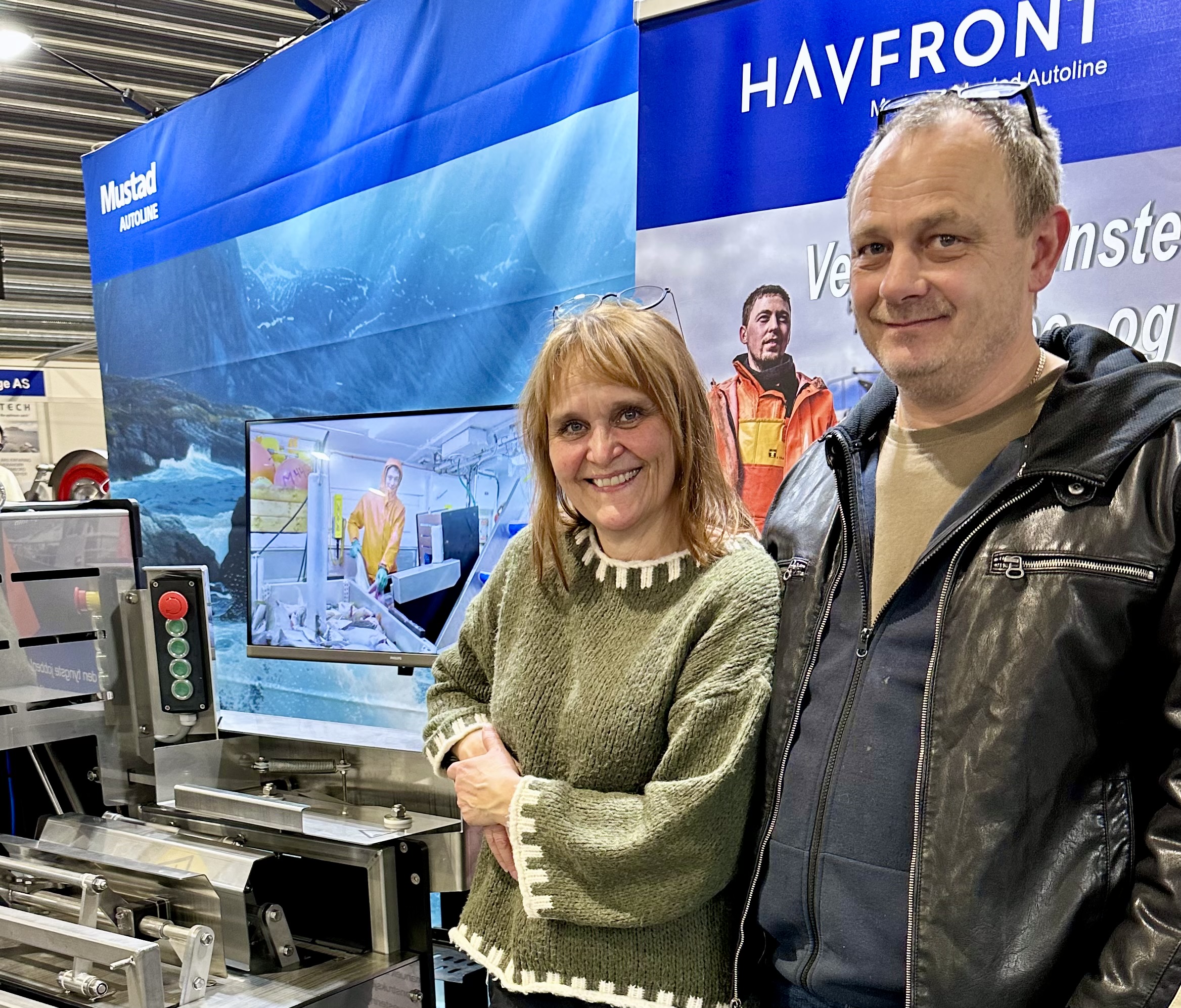
Með mikilli virðingu fyrir þeirri traustu vinnu sem hefur farið í þróun Havfront vara viljum við upplýsa að Mustad Autoline hefur nú tekið við og heldur áfram að framleiða þessar hágæða vörur. Við höfum samþætt framleiðsluna í verksmiðjunni okkar í Gjøvik, sem tryggir bæði hágæða og samfellu í sendingum. Meðal þessara vara er HAVFRONT Loppa 100 – fyrirferðarmesta vél í heimi sem er sérstaklega hönnuð til að hausa og slægja fisk um borð í skipum. Loppa 100 er bæði nýstárleg og notendavæn og hámarkar vinnuflæði strandveiðiskipa frá 9 metra hæð, sem og stærri sjóskipa. Það eru yfir 60 vélar í gangi á norska markaðnum í dag, með traustum viðbrögðum frá notendum. Loppa 100 meðhöndlar fisk á bilinu 1 til 12 kíló og býður upp á áreiðanlega og skilvirka lausn sem kemur í stað handvirkrar slægingar og hausunar. Öflug hönnun vélarinnar er fullkomin fyrir skip sem vilja bæta vinnuflæði og draga úr handvirkum, vinnufrekum verkefnum. Vélin er mjög skilvirk, krefst lágmarks viðhalds og er smíðuð til að endast – hagkvæm fjárfesting fyrir skip sem miða að því að auka framleiðni. HAVFRONT LOPPA 100 – Mustad Autoline ( www.mustadautoline.com ) Gæti þetta haft áhuga á þér? Vinsamlegast ekki hika við að hafa samband við okkur til að fá frekari upplýsingar!
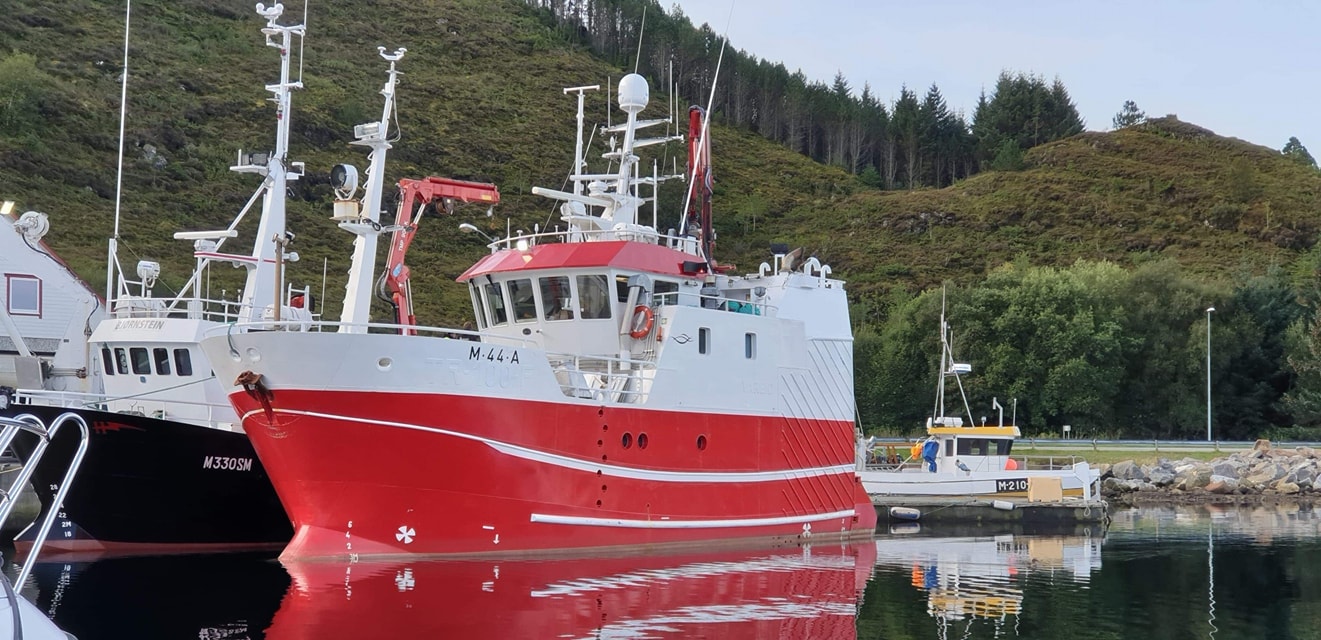
MS BÅTSMANN og Frog Olsen AS völdu að fjárfesta í LOPPA 100 til að einfalda daglegan rekstur um borð.
Frá árinu 2019 hefur vélin verið traustur samstarfsaðili, með skilvirkum hætti meðhöndlað haus og slægingu aflans – fyrst og fremst hvítfisk á borð við tusku og löngu.
„Vélin heldur í við okkur – hún vinnur fiskinn að minnsta kosti eins fljótt og við getum fóðrað hann. Við erum mjög ánægð með að hafa LOPPA um borð. Hún sparar okkur mikla erfiða handavinnu sem reyndi á axlir og handleggi,“ segir Hilde Frog, eigandi og sjómaður á MS Båtsmann.
Þrátt fyrir litla viðhaldsþörf vélarinnar eru regluleg þrif og daglegt eftirlit lykilatriði til að halda henni í toppstandi.
„Við erum mjög ánægð með að Mustad Autoline heldur áfram framleiðslu, þróun og þjónustu á Havfront vörum. Þetta tryggir áframhaldandi aðgang að varahlutum og stuðningi,“ bætir Trond Olsen við, einnig eigandi og sjómaður á MS Båtsmann .
MS Båtsmann,
ST-29-T
Lengd: 13,25 m
MS BÅTSMANN og Frog Olsen AS völdu að fjárfesta í LOPPA 100 til að einfalda daglegan rekstur um borð.
Frá árinu 2019 hefur vélin verið traustur samstarfsaðili, með skilvirkum hætti meðhöndlað haus og slægingu aflans – fyrst og fremst hvítfisk á borð við tusku og löngu.
„Vélin heldur í við okkur – hún vinnur fiskinn að minnsta kosti eins fljótt og við getum fóðrað hann. Við erum mjög ánægð með að hafa LOPPA um borð. Hún sparar okkur mikla erfiða handavinnu sem reyndi á axlir og handleggi,“ segir Hilde Frog, eigandi og sjómaður á MS Båtsmann.
Þrátt fyrir litla viðhaldsþörf vélarinnar eru regluleg þrif og daglegt eftirlit lykilatriði til að halda henni í toppstandi.
„Við erum mjög ánægð með að Mustad Autoline heldur áfram framleiðslu, þróun og þjónustu á Havfront vörum. Þetta tryggir áframhaldandi aðgang að varahlutum og stuðningi,“ bætir Trond Olsen við, einnig eigandi og sjómaður á MS Båtsmann .
MS Båtsmann,
ST-29-T
Lengd: 13,25 m

Fisherman Even Hauge sér gríðarlegan árangur með Loppa 100: "Við höfum unnið 30-50 tonn vikulega - gætum ekki gert það án vélarinnar!"
„Við höfum keyrt 30-50 tonn í gegnum vélina í hverri viku. Einstaklega sáttur! Án vélarinnar gætu þeir eins verið áfram á landi… segir Even Hauge. Hann hefur einnig mikla sérfræðiþekkingu á því sem skiptir máli þegar kemur að viðhaldi og rekstri vélarinnar. Þeir taka vel á móti heimsóknum um borð ef einhver vill sjá og heyra um reynslu sína.“ «Hauge Junior» var með sína fyrstu vél, Loppa 100, sett upp haustið 2018 á gamla «Hauge Junior». Vélin var mikið notuð um borð og reynslan var svo jákvæð að hann pantaði nýja vél í nýja bátinn sinn vorið 2020. Frá janúar til ágúst sama ár hefur vélin farið og slægt yfir 1.200 tonn!

Fimm árum síðar hrósar Hitra sjómaður Hallgeir Breivik HAVFRONT LOPPA 100: „Ég er mjög sáttur“
„Vélin hefur auðveldað vinnuna um borð miklu. Við erum ekki að yngjast. Axlablöðin eru mjög viðkvæm og höfuðskurðurinn er verstur. Áður fyrr var ég örmagna eftir sólarhring á sjónum, núna finn ég ekki fyrir neinu. Fyrir og eftir Loppa er þetta eins og nótt og dagur,“ segir Breivik. Eftir að hafa fengið góð ráð frá einum skipverja á Mats-Erik, fyrsta bátnum til að nota Loppa, tók Hallgeir Brevik þá ákvörðun: Loppa var að fara á 36 feta bátnum sínum «Einevikbuen». Hann hefur ekki séð eftir þeirri ákvörðun. „Þú getur ekki fengið meira fyrir peningana þína en þetta. Ég kem með meiri fisk þar sem það er miklu fljótlegra að slægja hann og á sama tíma minnkar álagið,“ segir Breivik. Hann er líka hrifinn af því fylgi sem hann hefur fengið eftir fjárfestinguna en flestar lagfæringar eru auðveldar sem gera sjómönnum kleift að halda Loppunni sjálfir. „Ég höndla mikið sjálfur og vélin er auðveld í viðhaldi,“ segir Breivik.