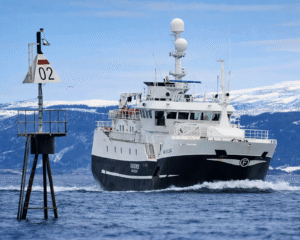
HAVFRONT FOLLA 2.0, the biggest revolution in fish heading and gutting in decades, says Sindre Dyb, Veidar AS
Read the article from FHF – Norwegian Seafood Research Fund; FHF NEWS
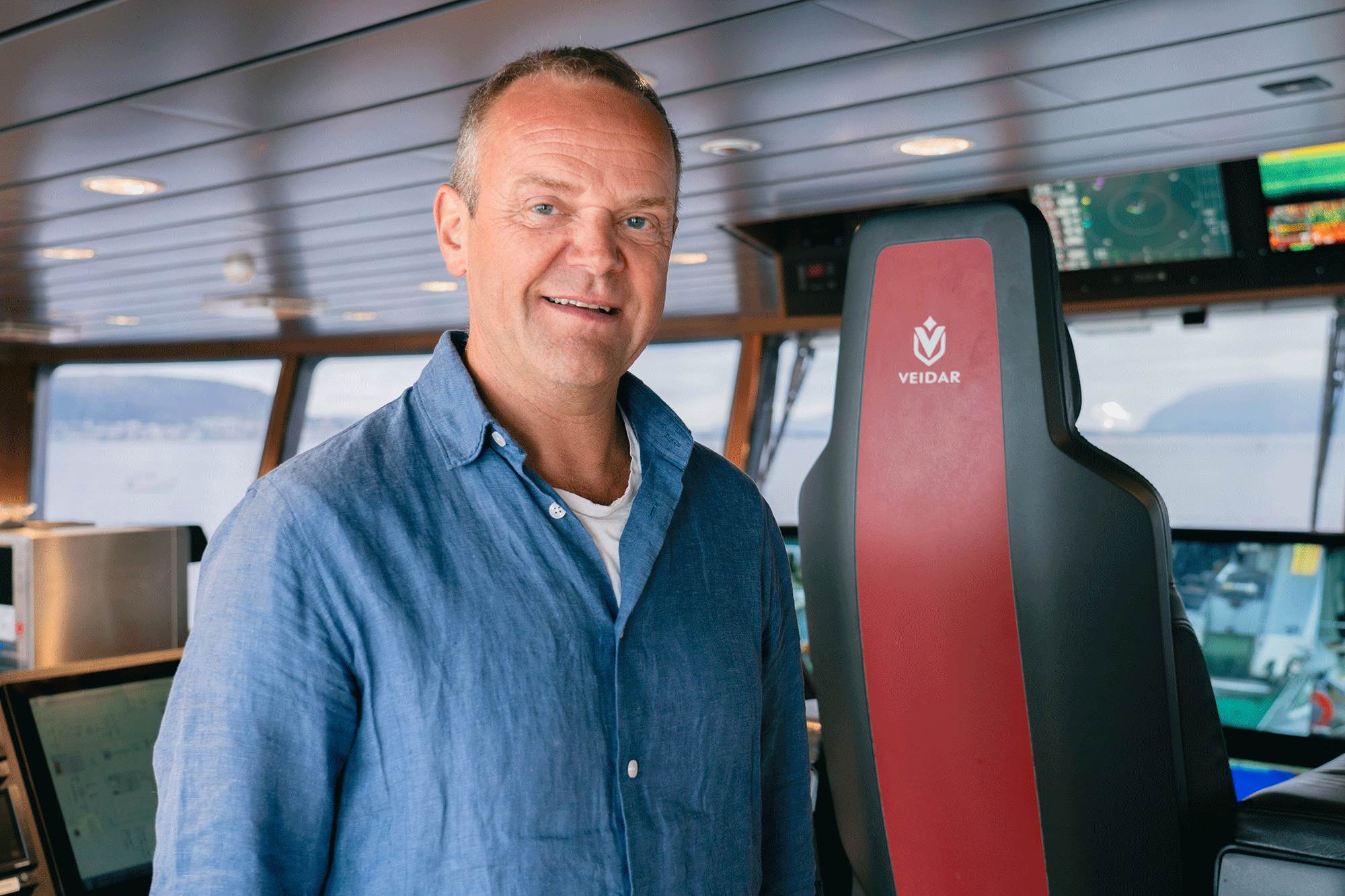
After testing the FOLLA machine under demanding conditions at sea, Sindre Johan Dyb, skipper and Managing Director of Veidar AS, believes the technology represents a significant leap forward in onboard catch handling.
“I would go as far as to say that this is the biggest revolution in fish heading and gutting machinery we have seen in decades,” says Sindre Johan Dyb, skipper and Managing Director of Veidar AS.
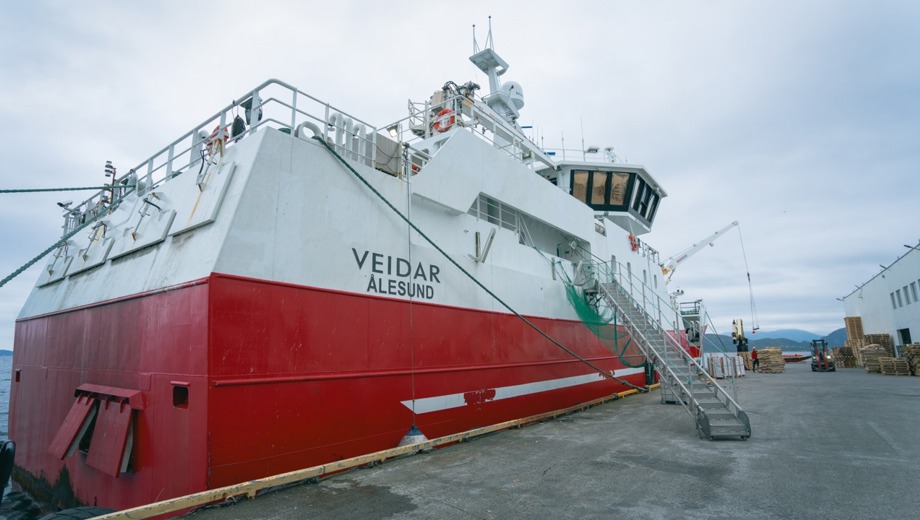
On board the autoline vessel Veidar, the crew has helped test and develop FOLLA 2.0—an automated heading and gutting machine designed to process multiple species and a wide range of fish sizes in a single machine. For the crew, the main priority was improving the working environment.
“It significantly reduces the workload, while improving the quality of both the fish and the raw materials produced on board. It enables precise heading and gutting of several species in the same machine while maintaining a high level of efficiency,” Dyb says.
“We wanted to take part in the project because we were interested in developing a heading and gutting machine that could significantly improve working conditions on board.
The main challenge was the physically demanding work involved in manually heading and gutting fish that could not be processed by our previous heading machines,” Dyb explains.
According to the skipper, what sets FOLLA apart is its ability to process all the fish sizes and most of the species handled on board.
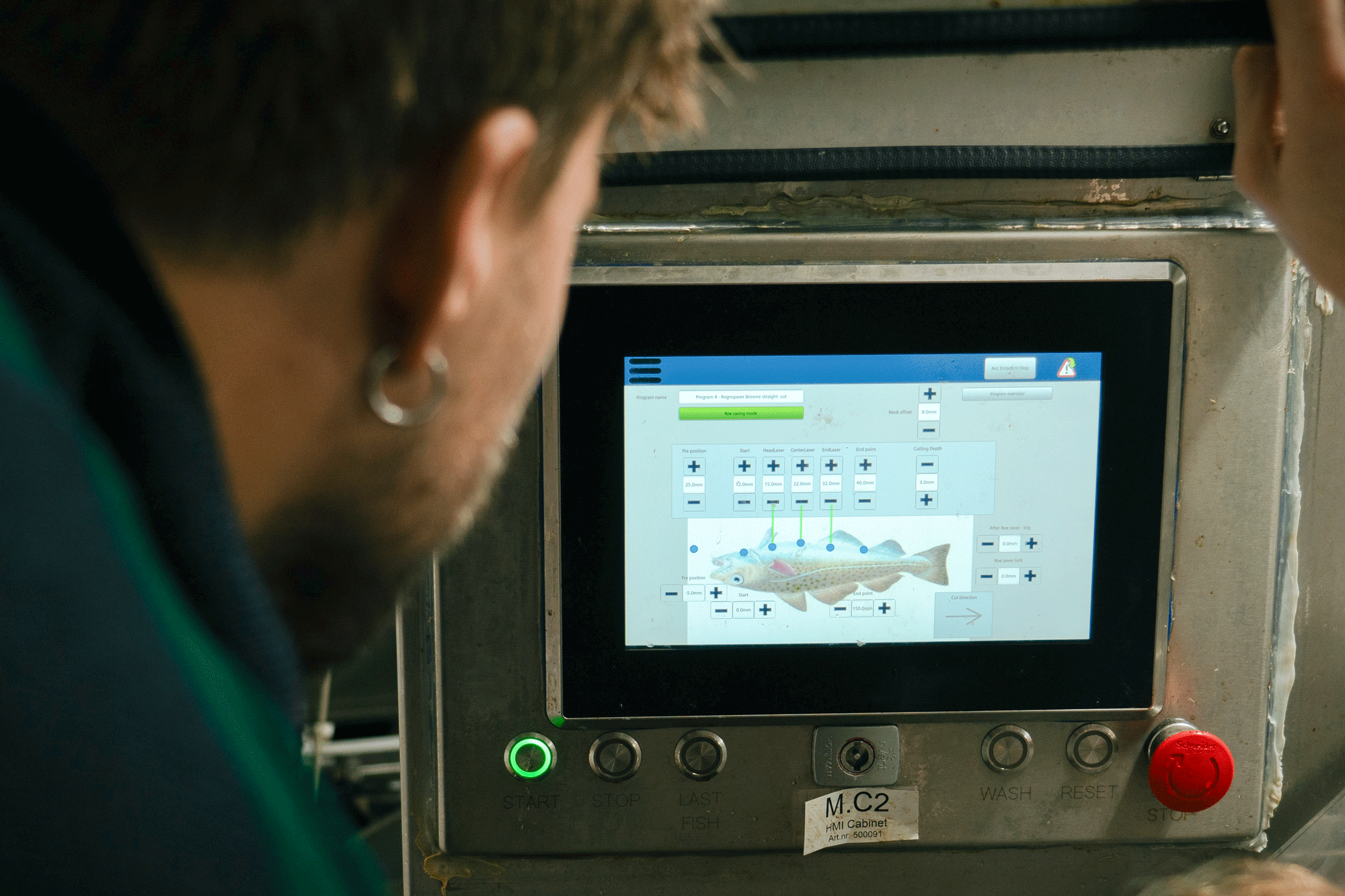
Tested under real operating conditions
Getting an automated machine to work in a land-based facility is one thing. On board an ocean-going fishing vessel, the technology is exposed to salt water, humidity, vibration, temperature fluctuations, vessel movement and long production runs. This is precisely why Veidar became such an important testing platform.
“FOLLA performed beyond our expectations during testing, even under demanding conditions. On the first trip following the upgrade, specialists from Mustad joined us at sea for a couple of weeks to ensure everything was working as intended. Their presence helped make the commissioning process much smoother. The close collaboration with Mustad and Havfront throughout the development of the machine has been crucial to the result,” says Dyb.
The development work forms part of the FHF project, “Marinisation and Implementation of the FOLLA Gutting Machine.”
Saltwater demanded new solutions
FOLLA was originally developed by Havfront AS as a gutting machine with a particular focus on the gentle handling of viscera. After Havfront filed for bankruptcy, Mustad Autoline acquired the assets from the bankruptcy estate and continued developing the technology.
According to Lasse Rindahl, Chief Technology Officer at Mustad Autoline, the need extends beyond one particular vessel group or fish species.
“There is an unmet need in the ocean-going fleet for a universal gutting machine that handles roe and liver gently, accommodates variations in species and size, and reduces physically demanding manual work,” says Rindahl.
However, significant parts of the system had to be adapted to ensure reliable operation at sea. A new mechanical design was developed, and conventional AC motors were replaced with IP69-rated servo motors. The sensors were given mechanical protection, optical sensors are cleaned using compressed air, and sensitive control electronics were relocated away from the wet production environment.
The software has also been further developed, allowing the machine to be adapted to different species, fish sizes and operating conditions.
Potential to reduce crewing requirements
For Veidar, however, the benefits extend far beyond the machine’s technical performance.
“We are seeing significant benefits in several areas, including safety, resource utilisation and, not least, reduced physical strain on the crew,” says Dyb. He also highlights a direct financial benefit.
“FOLLA reduces the workload, allowing us to operate with fewer crew members on board. It also preserves more of the valuable by-products—particularly whole, intact roe. In addition, it requires less maintenance than the machines we have previously used.”
The technology therefore addresses several of the challenges facing the fishing fleet: labour requirements, health and safety, efficient production, and improved utilisation of the entire catch.
Creating value from more of the fish
The gentle handling of the viscera is a key part of the concept. If roe and liver are damaged during gutting, the opportunities to make further use of these valuable raw materials are reduced.
The aim of FOLLA is therefore not simply to automate the operation, but to do so with sufficient precision to preserve the quality and value of a greater proportion of the by-products. At the same time, a single machine is designed to perform tasks that might otherwise require several specialised solutions.
For Dyb, the results from practical operation have been clear so far.
“It significantly reduces the workload, while improving the quality of both the fish and the raw materials produced on board. It enables precise heading and gutting of several species in the same machine while maintaining a high level of efficiency,” he says.
The automation journey is not yet complete
Although the experience on board Veidar has been positive, the technology is still being developed.
One current limitation is that the fish must have a bleeding cut before entering the machine. Processing fish directly without this preliminary cut could therefore be the next stage of development.
Another potential development is the automated and gentle onward handling of the viscera. If successful, an increasing share of the process—from the fish entering the onboard factory to the fish, roe, liver and other raw materials being directed into separate product streams—could be automated.
“Technology must be developed together with those who will use it”
For FHF, the experience gained on board Veidar is valuable beyond the development of this particular machine.
“If we are to succeed in automating more of the fishing fleet’s catch-handling operations, the technology must be developed and tested together with the people who will actually use it. It is only when the solutions are installed on board and exposed to fish, seawater, salt, vessel movement and continuous operation that we truly discover what works and what needs to be improved,” says Frank Jakobsen, Head of Department at FHF.
The Norwegian fishing fleet is technologically advanced, but many operations could still be automated.
He believes automation can deliver benefits in several areas at the same time.
“It is about efficiency, but also about health and safety, quality, and retaining more of the value from the catch. If technology can reduce heavy manual work while improving the utilisation of both the fish and its by-products, it is relevant to the entire industry.”
Jakobsen therefore believes it is important for FHF to continue its work on automation in close collaboration with the fishing fleet and the supplier industry.
“The Norwegian fishing fleet is technologically advanced, but many operations could still be automated. For FHF, it is important to continue working closely with the industry so that solutions are developed around genuine operational needs on board. The experience gained from Veidar provides valuable knowledge that we can apply to the development of the catch-handling solutions of the future,” says Jakobsen.

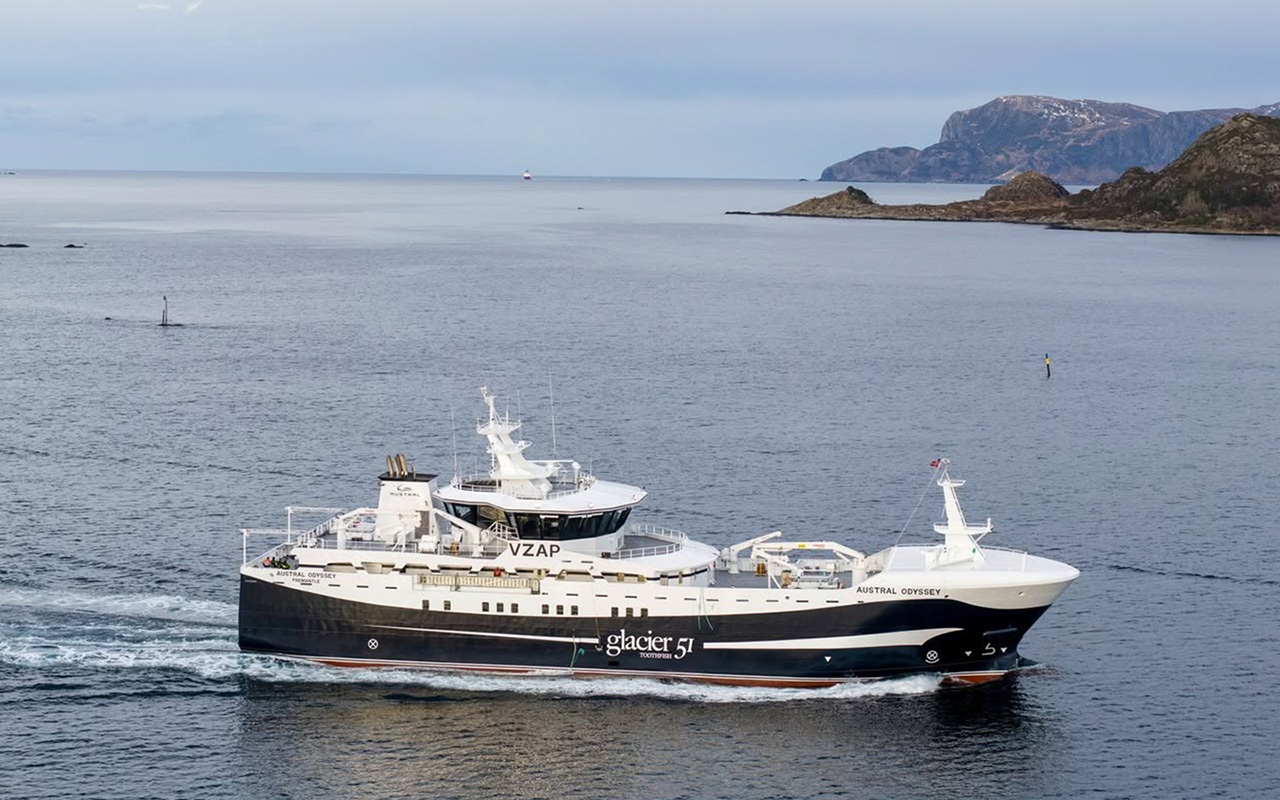
Austral Odyssey; E-Line performance in the extreme Southern Ocean
“The Mustad Autoline E-Line system is a big step forward for our longline operations. After just two trips, we’re already hauling around 20% faster from depths down to 3,000 metres. The accurate tension control has also reduced line breakage, and we’re now setting the line at 8–9 knots—about one knot faster than with our previous system.
The technology is impressive, but the support behind it is just as important. Having direct access to Mustad Autoline’s service team in Norway helps us resolve issues quickly and keep downtime to a minimum.
Most importantly, the crew are genuinely happy with the system and have really taken ownership of it. They’re the ones working with it every day, thousands of miles away from us, so if it makes their job easier and they’re happy—trust me, I’m happy.”
— Greg Jones, Technical Superintendent, Austral Fisheries
“The E-Line system is fantastic. The amount of data available, the sensitivity of the controls and the overall build quality make it the best hauling system I’ve used.”
— Rian Wheeler, Engineer, Austral Odyssey
The Austral Odyssey operates in the Southern Ocean, primarily around the Heard Island and McDonald Islands, approximately 4,000 km southwest of Perth, Australia. Its main target species is Patagonian toothfish, marketed by Austral Fisheries under the Glacier 51® Toothfish brand.
LEINEBRIS; Mustad Autoline is a trusted partner for the future of line fishing operations
When it came to choosing the best equipment for our mission, Mustad Autoline’s E-Line system was the clear choice. With decades of proven experience and a strong reputation for reliable results, Mustad has consistently demonstrated their expertise in vreliable line fishing equipment.
Mustad Autoline’s E-Line system was the natural choice for this mission. One of the key reasons we trust Mustad Autoline is their proven experience over many years. Their systems are tried and tested over a long period, and we’ve consistently seen the results. In addition, Mustad’s strong customer service is a major asset—whenever we need support, we know we can count on quick and reliable responses. Their accessibility and willingness to listen have built a trust that is invaluable in our operations.
On the technical side, their innovative technology, like the E-Line’s dynamic tension control, ensures consistent line speed and fewer lost fish. For us, Mustad Autoline represents not just cutting-edge equipment but a partner we can rely on for the future of our line fishing operations.

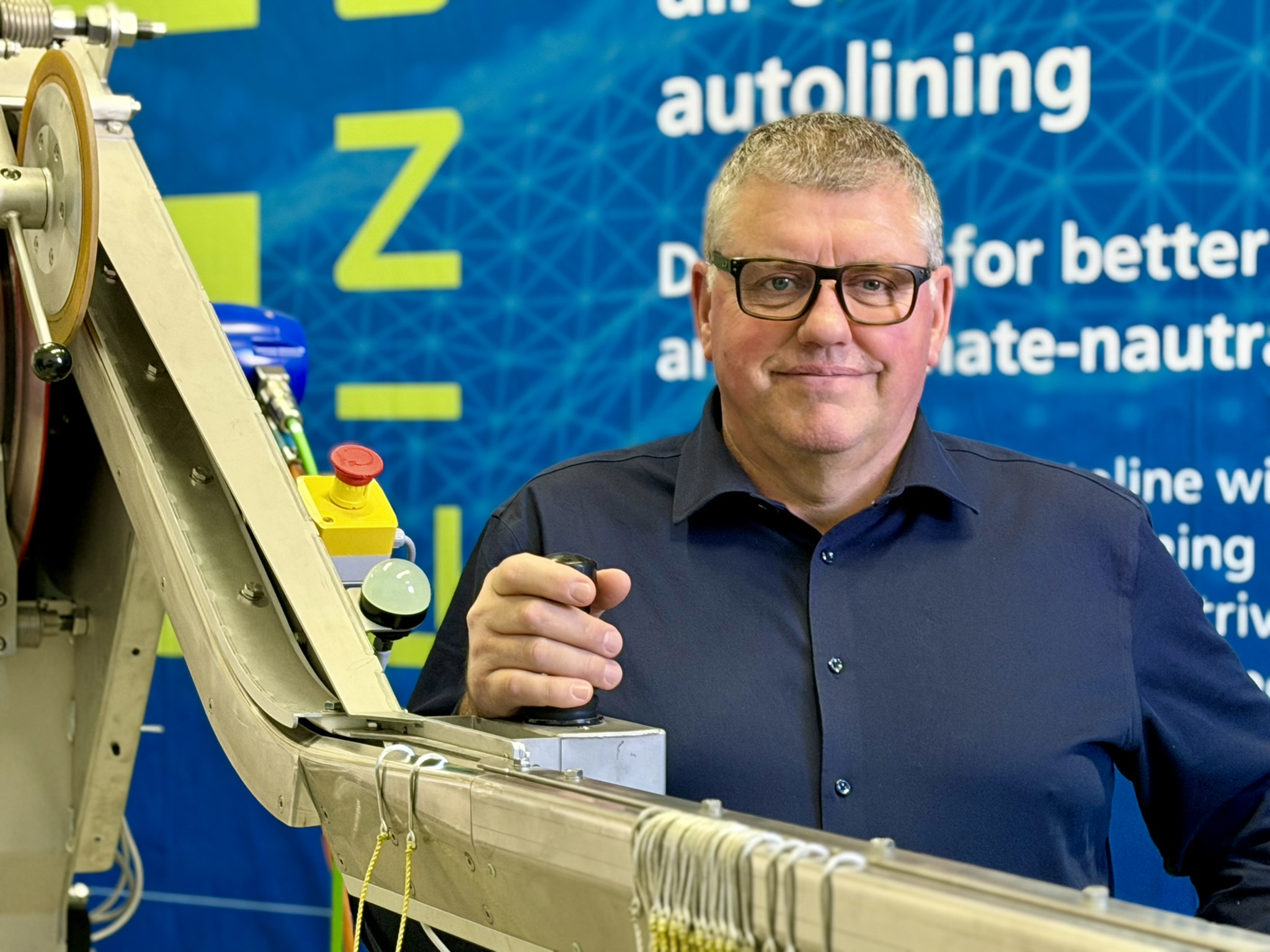
Paul Harald Leinebø, owner, and Åge Uran, owner and chairman of AS Leinebris, a state-of-the-art vessel built by Tersan Shipyard in Turkey. Equipped with fully electric deck machinery, including Mustad Autoline’s new all-electric autoline system and net hauler, the new vessel is designed to maximize energy efficiency. “We want to fish for the future and take care of the resources we have in the best possible way,” says Uran. “To do that, we need to think new and build new.” This commitment to innovation and sustainability reflects the company’s forward-thinking approach, aiming to make the most of all the energy generated on board while ensuring the highest standards of efficiency in their fishing operations.
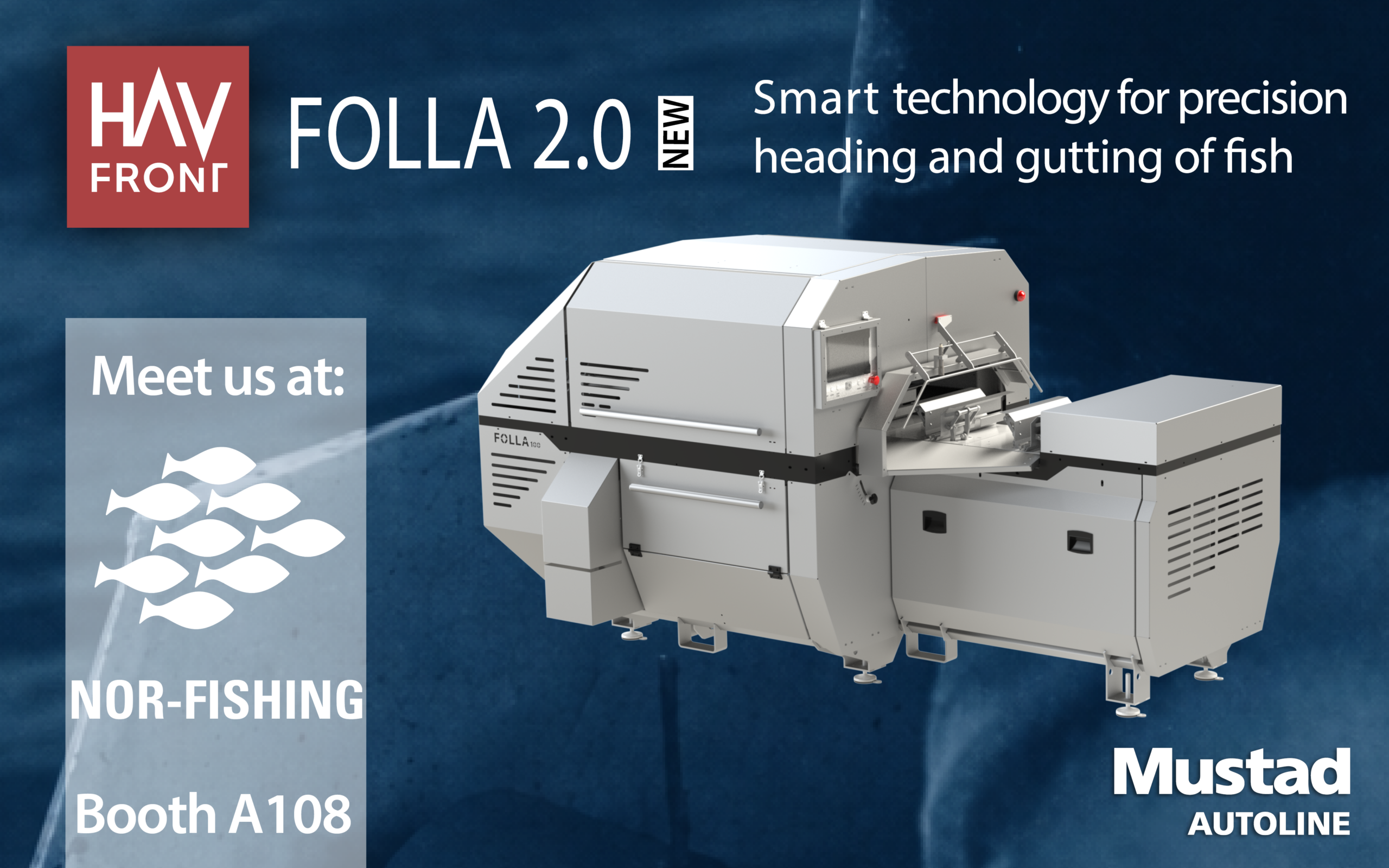
Next stop Nor-Fishing 2026 in Trondheim
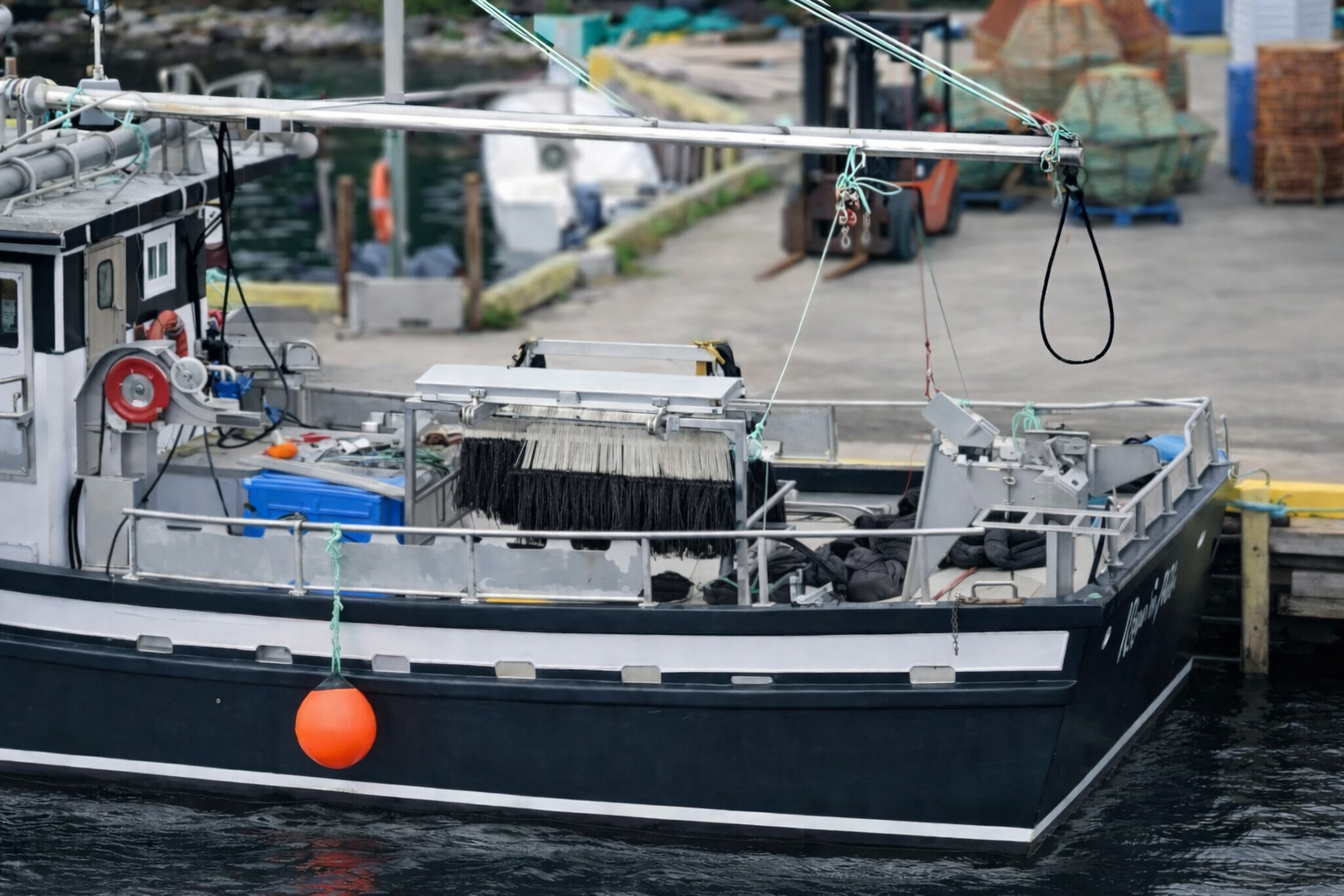
From learning curve to success: Steve Ryan, Henry and Jim Thorne’s investments in new fishing technology delivers. Newfoundland, Canada.
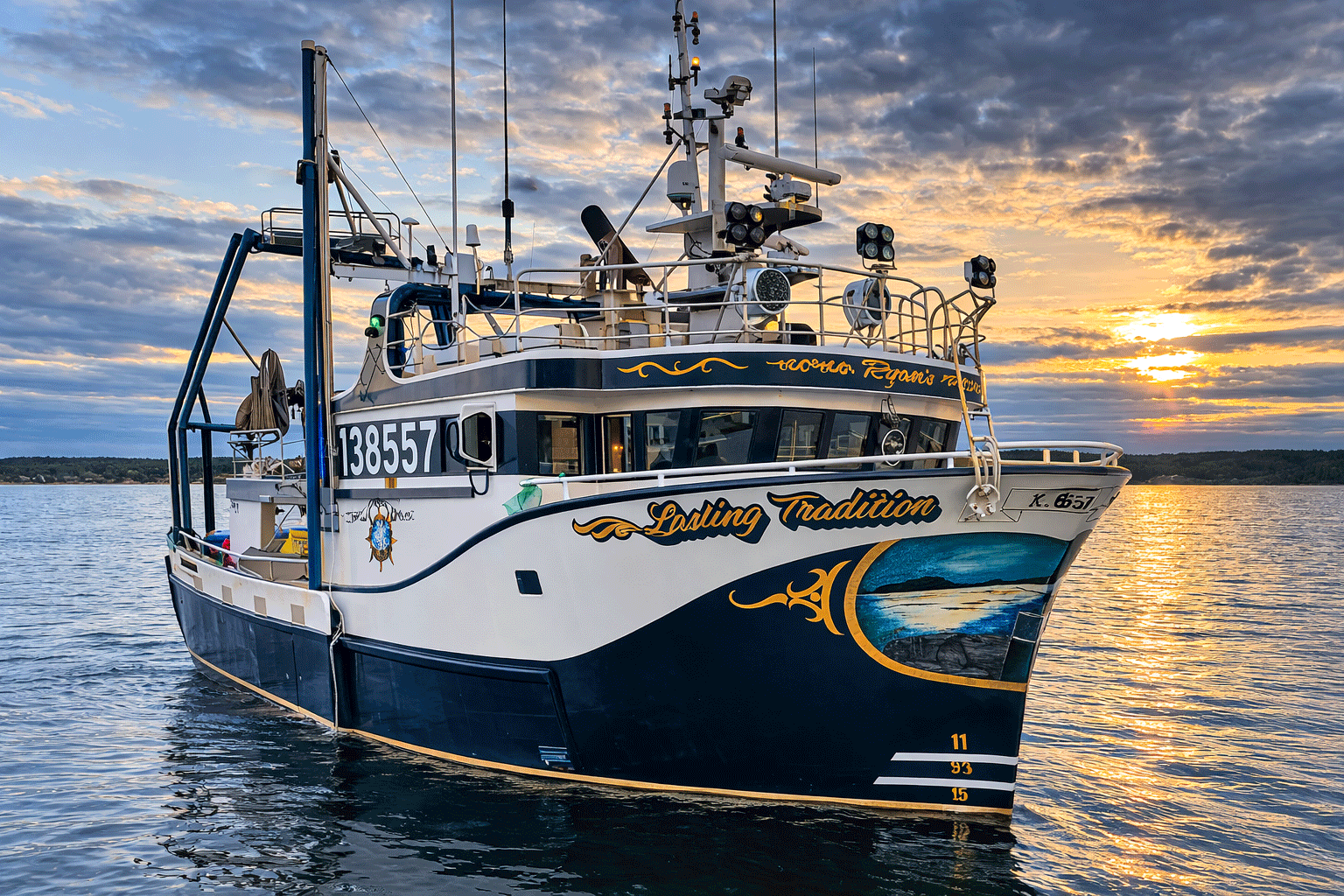
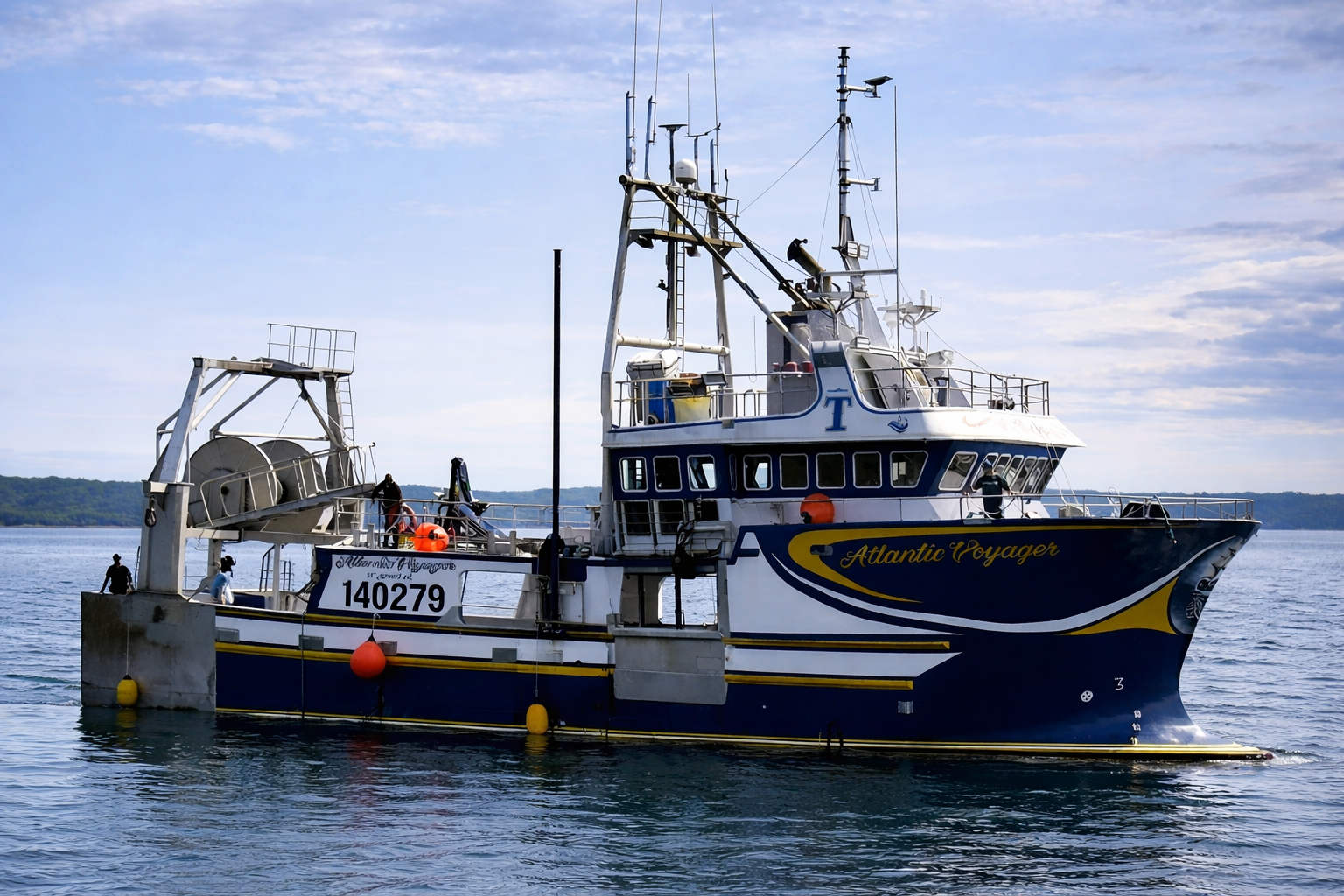
In late February, five Newfoundland fishing companies joined a delegation visiting Iceland and Norway to gain further insight into modern autoline fisheries and best practices across the value chain.
Among them was Steve Ryan, owner of the vessel Lasting Tradition, who invested in Mustad equipment in 2019 and has operated the system every year since. Also participating were the brothers Henry Thorne and Jim Thorne, owners of Thornes Enterprises, which operates two vessels — one, the Atlantic Voyager, equipped with the Mustad Autoline Coastal System and now entering its fourth season.
Steve Ryan was among the first in his region to invest in the system; “Being one of the first boats to bring this technology into our area meant there was a learning curve. It took time to adjust to a new fishing process, but today the system is running smoothly. The crew is comfortable with it — and honestly, it has proven easier on them than we expected. We are very pleased with the investment and feel well prepared for larger quotas.”
The decision to invest was driven by long-term planning. “When we realized cod was returning to our waters after nearly 30 years, we knew we had to think ahead. We did extensive research to find the best method to catch cod sustainably while delivering the highest possible quality. We wanted to be ready before the fishery truly took off — to take the learning curve early. After evaluating our options, we chose Mustad, and we all agree – it is a better way to fish.” States both Steve, Jim and Henry.
Operating in seasonal fisheries, flexibility is critical. The brothers Henry and Jim,describe the system as highly adaptable between fisheries. “It’s easy to take on and off the vessel between seasons — almost plug and play,” says Jim.
Their visit to Iceland and Norway marked an important next step. Henry stated,“We needed a few years to truly understand and optimize the system. Now we’re ready to learn from those who have decades of experience.”
They were particularly impressed by the strong quality focus throughout the entire value chain.”The infrastructure is remarkable, and every step is centered around delivering the best possible fish quality. We were impressed not only by their professionalism, but by how openly they shared their knowledge.” Says Henry.
While Newfoundland has strong fisheries traditions, the group returns home inspired. “We have excellent fisheries back home, but there is always something to learn. We’re returning with inspiration and courage to keep improving.” Henry continues.
Support from Mustad Autoline has been an important part of their journey — something all three readily agree on. “If something happens, we get the assistance we need. They provide assurance and a sense of security. It feels like a long-term partnership,” says Steve.
They also highlight the strong collaborative spirit among fishermen in Newfoundland, where close to 60 vessels now operate with Mustad Autoline systems. “There’s a strong network among fishermen. We share experiences, discuss solutions, and help each other succeed,” Henry explains.
Processing companies have also seen the benefits. Fishing with longlines, there is significantly less damage to the fish compared to gillnets.
All three — Henry, Jim, and Steven — agree that 2025 has been their best year to date, and they are confident that 2026 will be even better. Looking ahead, optimism remains strong.
Mustad Autoline Canada Inc, St. Johns, Newfoundland: kerwin.wellon@mustadautoline.com
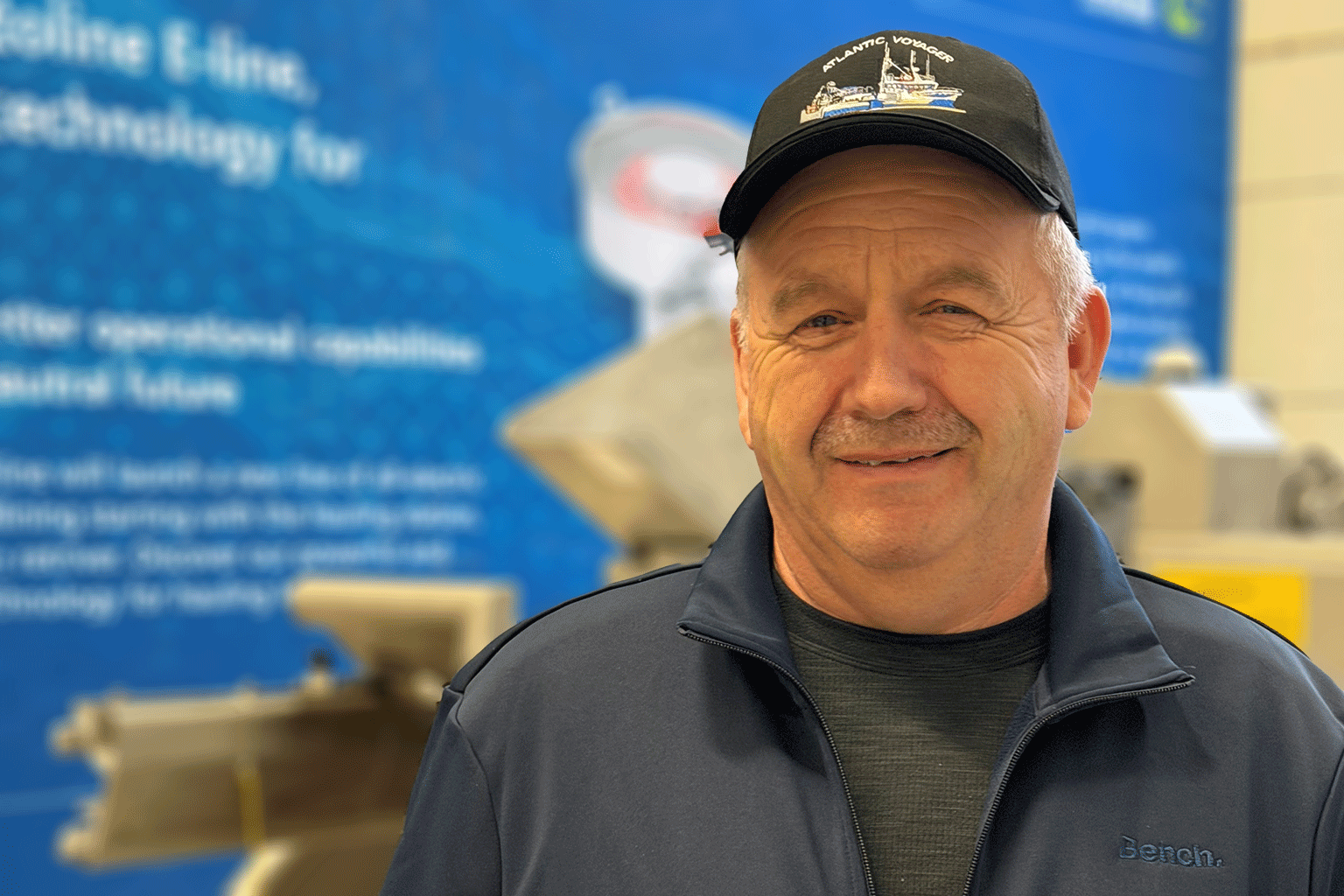
Henry Thorne, who together with his brother Jim operates two vessels — one, the Atlantic Voyager, equipped with the Mustad Autoline Coastal System and now entering its fourth season.
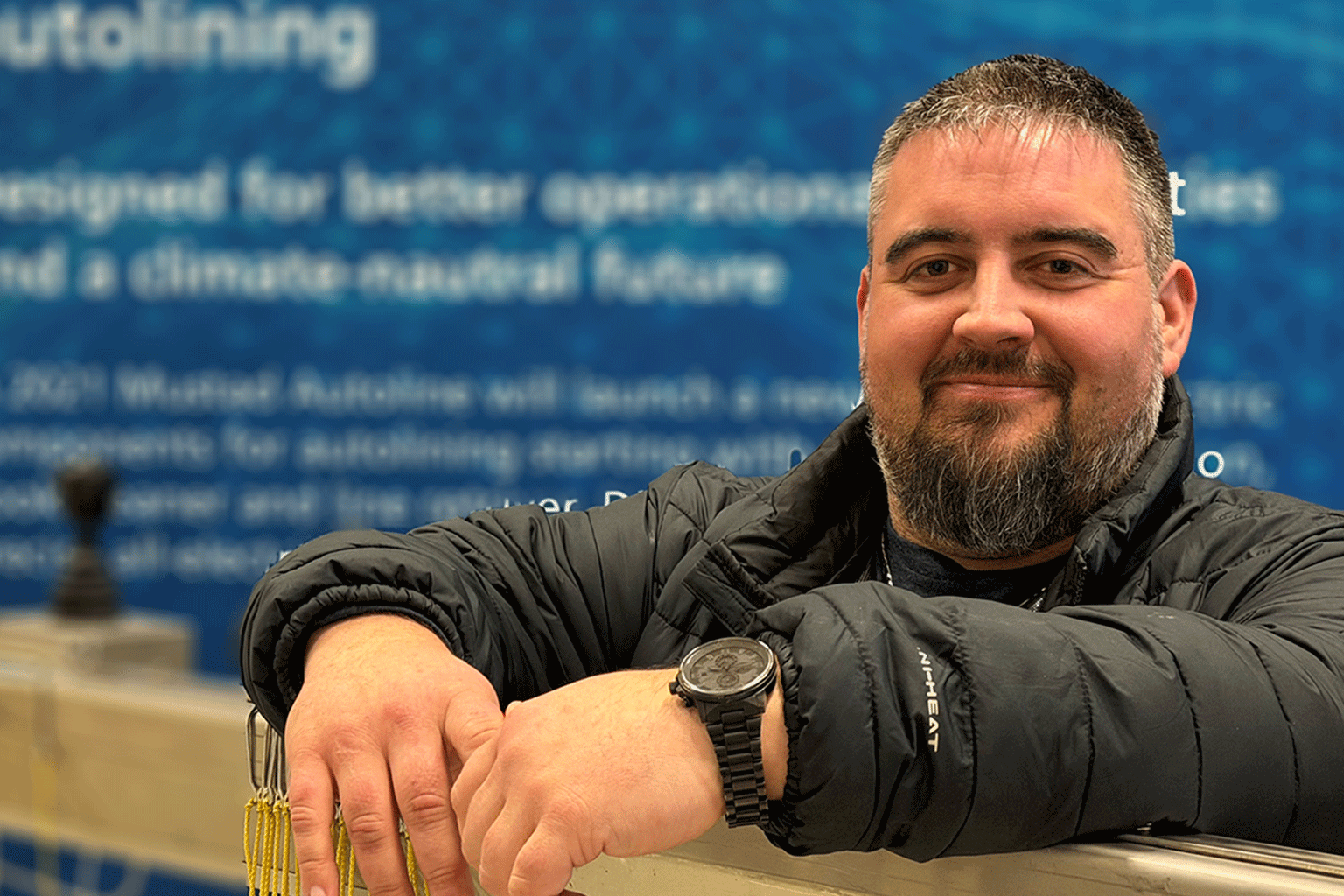
Steve Ryan, owner of the vessel Lasting Tradition, was among the first in his region to invest in the system. After an initial learning curve, the crew now finds the technology easy to operate — and the investment has proven worthwhile as they prepare for larger quotas.
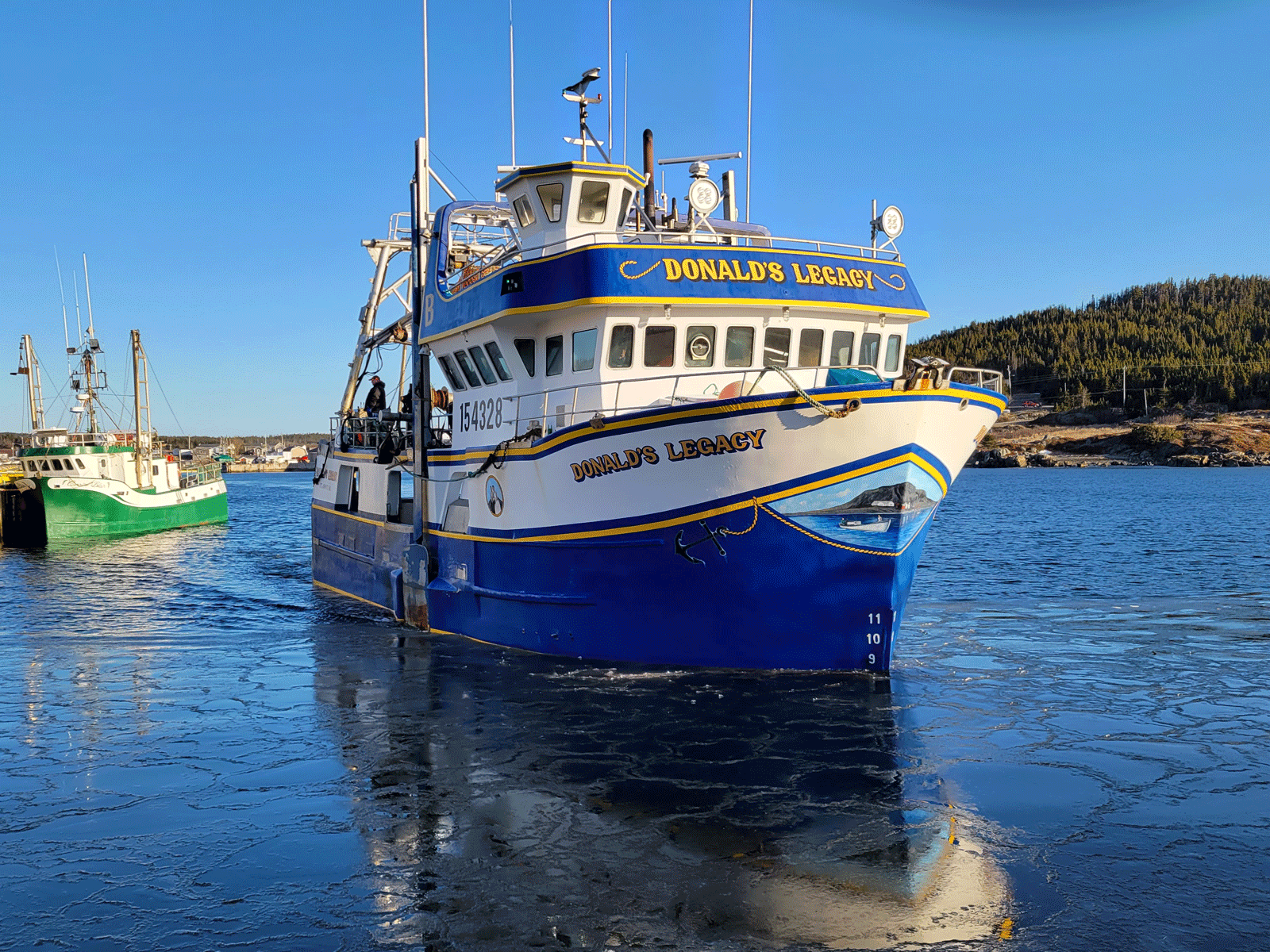
Newfoundland; Glen Best - I’ve seen firsthand how technology can transform our fishing operations. That’s why autolining is our preferred method for harvesting cod.
As co-owner of four family-owned fishing vessels – including two multi species vessels FV Donald’s Legacy and FV Nautical Prince – equipped with Mustad Autoline Coastal Systems, I have experienced first hand the impact technology can make to our fishing operations. In 2025, we had exceptional year in our cod fishery, with a 300% increase over our best year since acquiring the Mustad technology. With cod quotas expected to rise I feel our business is well positioned with the investment we have made into Mustad Coastal Systems.
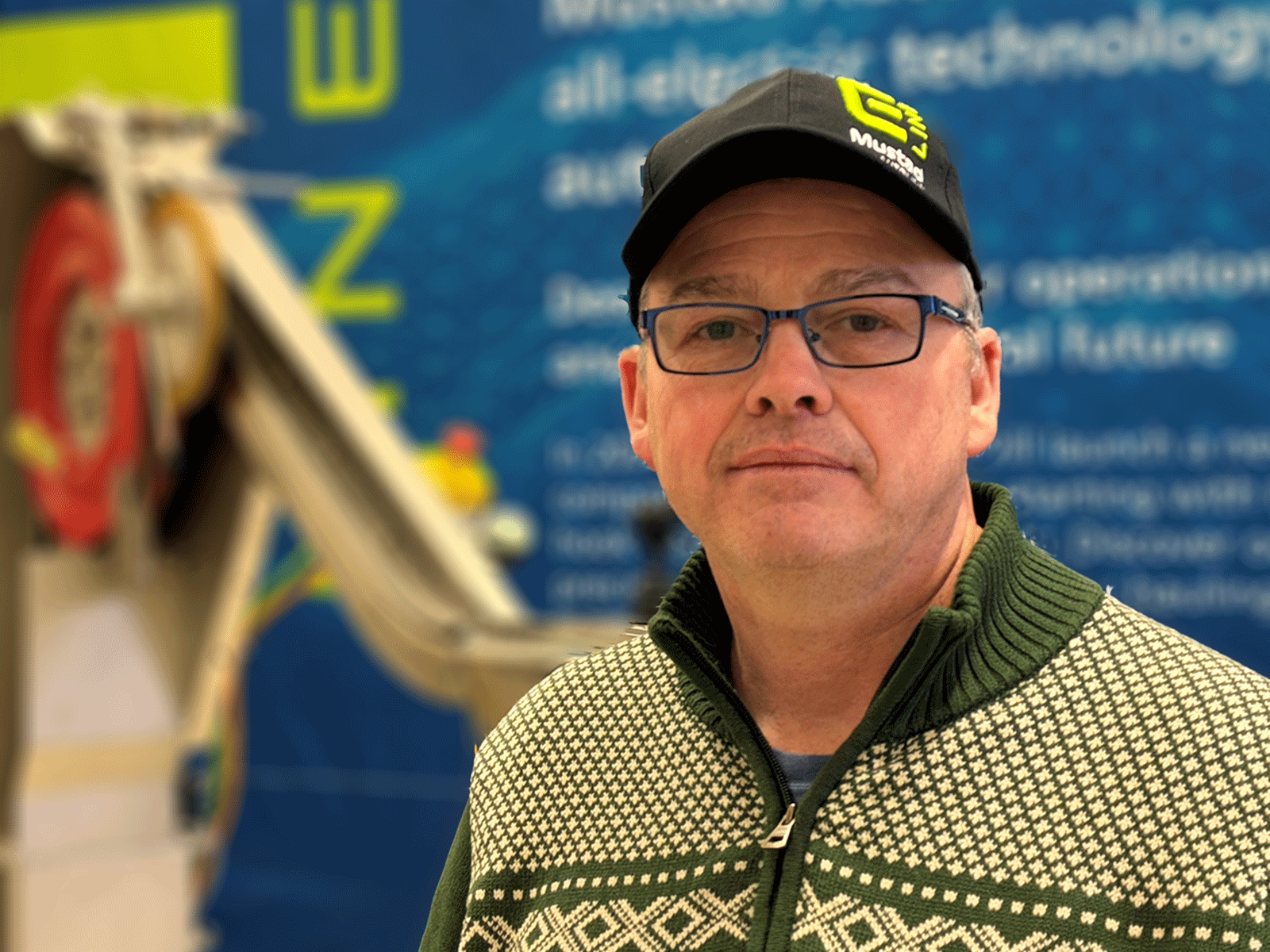
Investing in Autoline gear has been a good decision in diversifying our business. We felt for some years that the return of commercial cod fishing was near. It is a clean and bottom friendly gear with minimal bycatch. When a trip ends, all gear is back on board and ready for the next trip. The system gives us the flexibility to switch between fisheries within a day – a major advantage on a multi – species vessel.
Fish are caught one by one, bled immediately, and handled with care. This process gives us the ability to land premium quality and helps secure the best price for our catch. The equipment is robust, reliable, and low maintenance. The auto baiter baits each hook individually at high speed, ensuring consistent and efficient operations.
Service and support have been outstanding. Kerwin Wellon has provided excellent guidance throughout our journey, and service engineer Hallgeir keeps our system finely tuned and performing at its best.
Our decision to invest in the Mustad Autoline system came at a pivotal time. The cod stocks are finally returning to our waters after over 30 years of moratorium, and we knew that diversification was key to continued success. Auto lining is environmentally sustainable, less labour intensive, and backed with a brand with strong reputation and proven success. I have known of Mustad for years and after meeting with Kerwin we felt that this technology was the right path for the future.
Today we operate with crew of seven. While we are still learning and still figuring out ways to become better, the system runs very efficiently. Our vessels fish up to four days out of Newfoundland, setting approximately 12000 hooks per day. Auto lining is an efficient and responsible way to fish. Our goal is simple: deliver high quality seafood from sustainable fisheries with minimal impact on the environment we rely on, and achieve the best possible value for our catch.
We are continuously improving. Together with Mustad Autoline we visited experienced fishermen in Iceland and Norway to learn from industry leaders how to enhance our harvesting and processing through new technology with the goal of quality and efficiency. To compete in the future means investing in innovation – and for us auto lining is the way forward. Mustad’s logo sums it up. A better way to fish!
Glen Best, Co-owner, Newfoundland
Mustad Autoline Canada Inc.: Kerwin Wellon, kw@mustadautoline.com
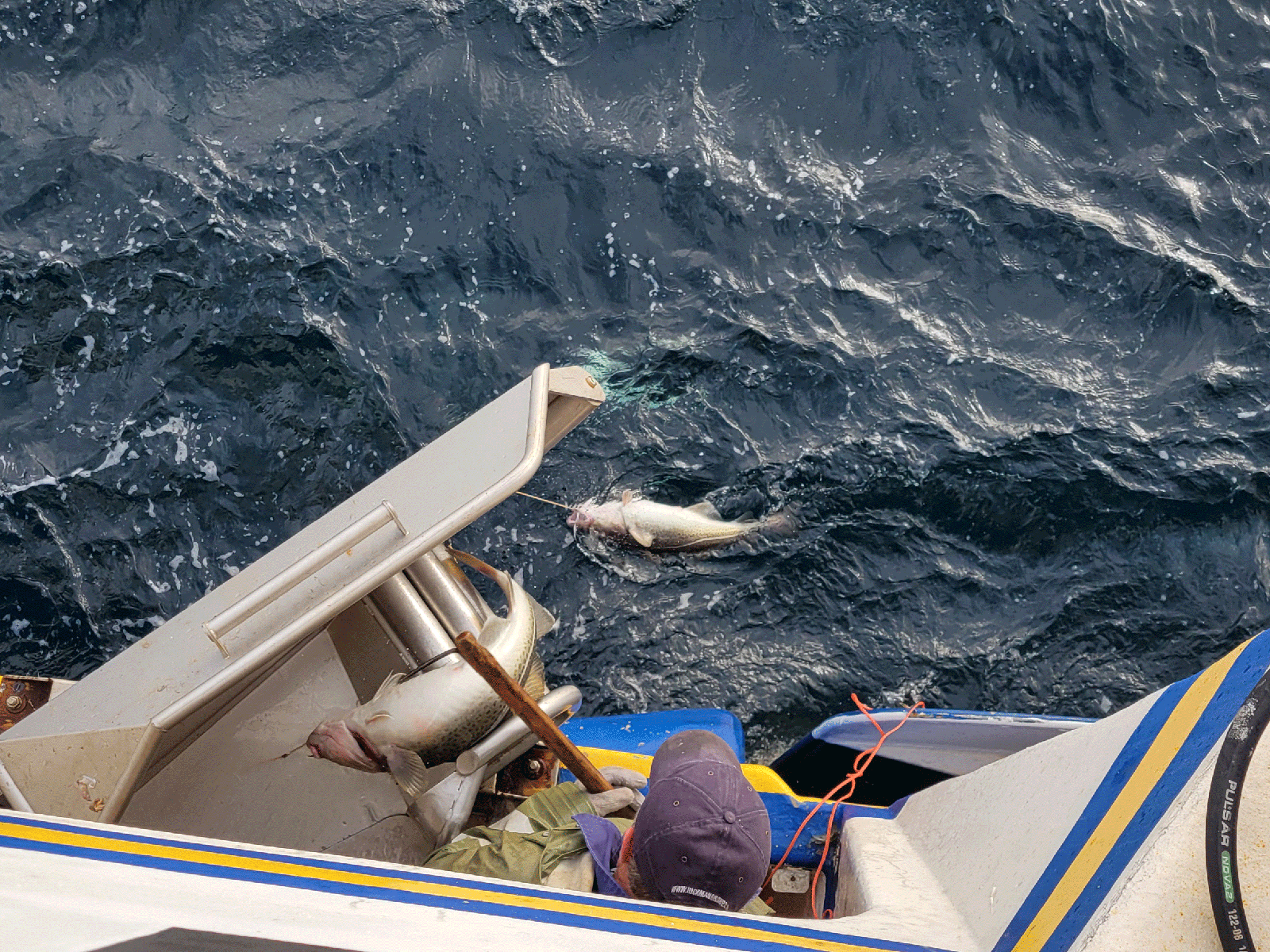
Hauling with Mustad Autoline hauling unit
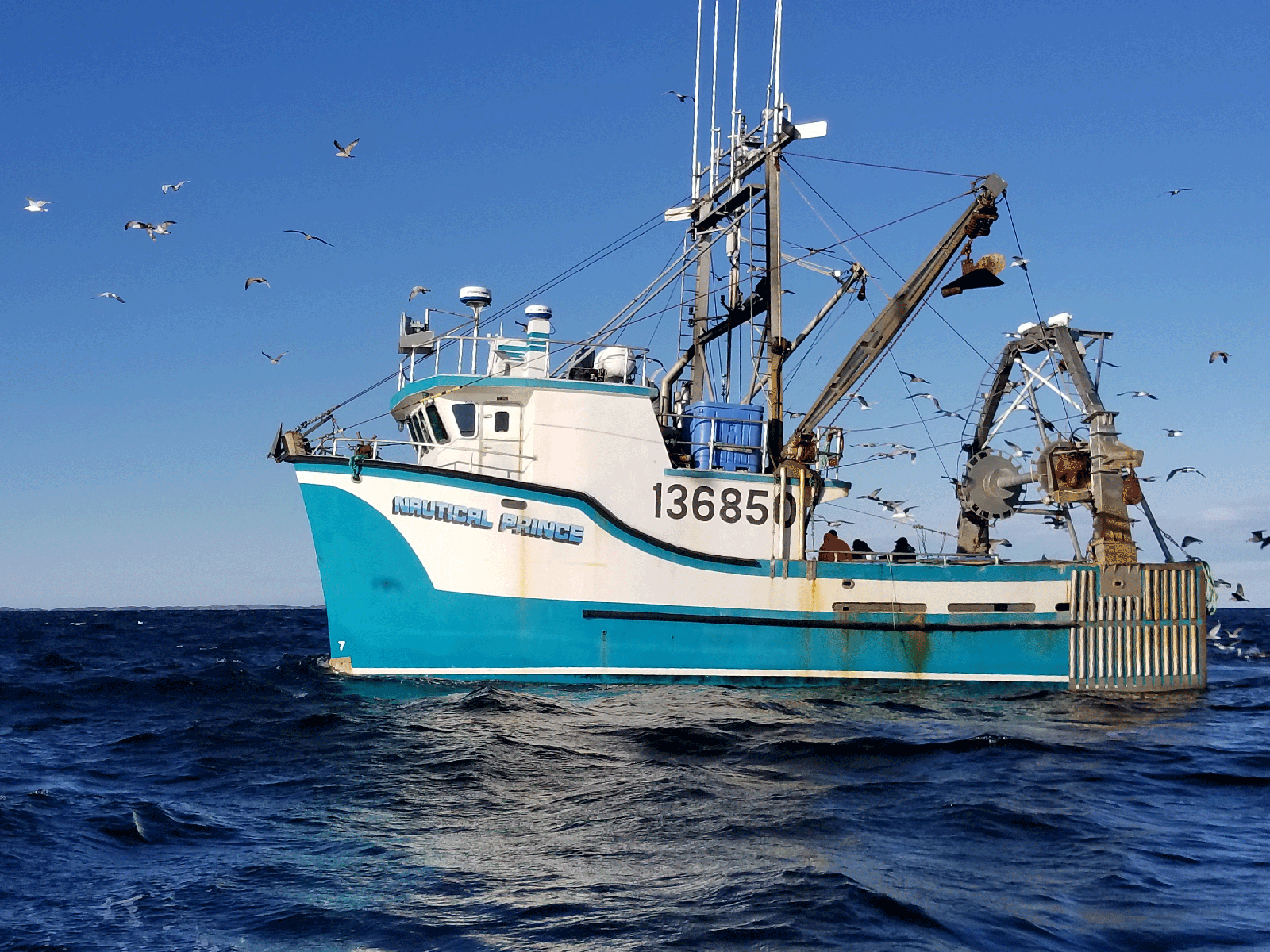
FV Nautical Prince, equiped with Mustad Autoline System
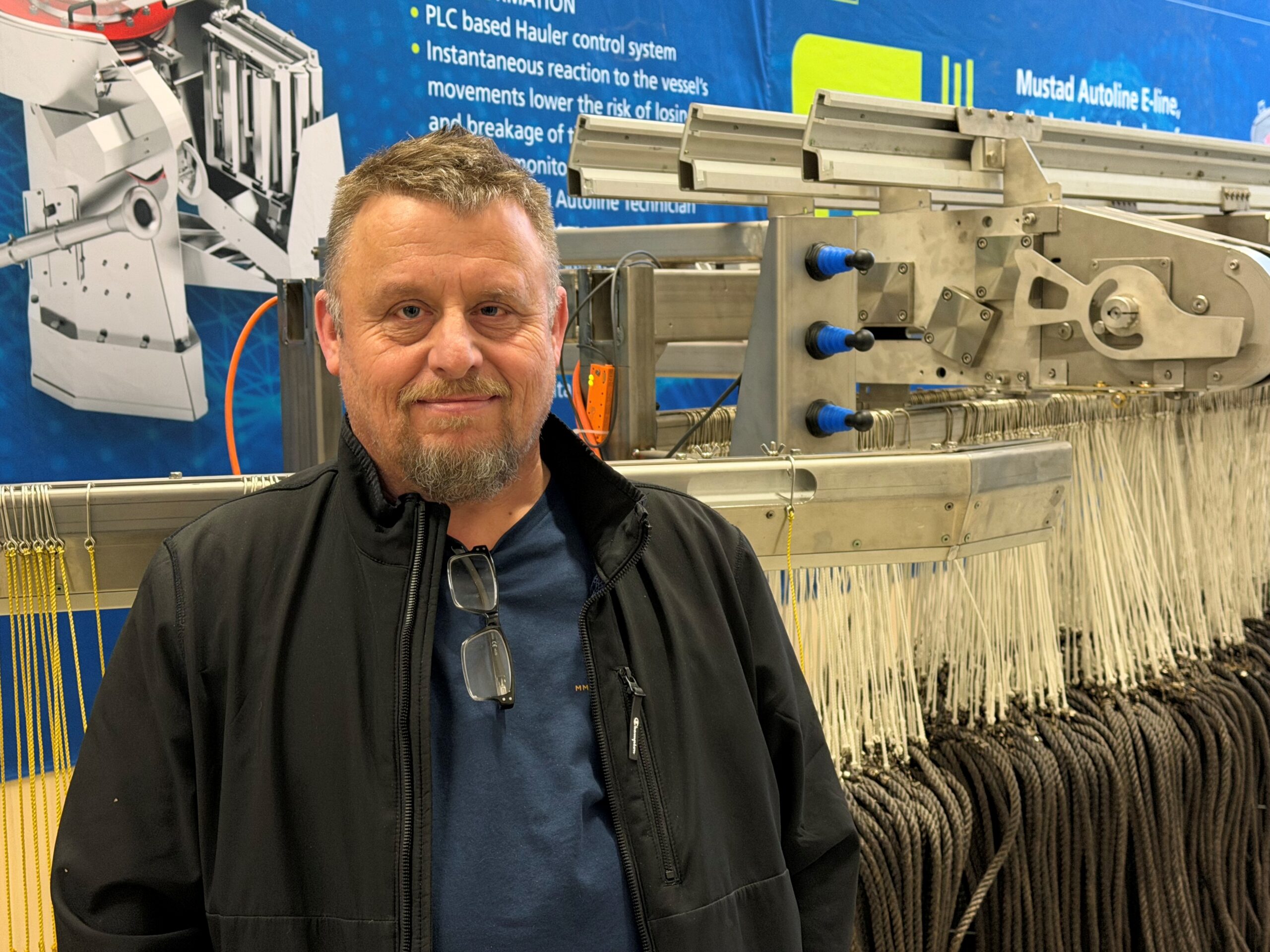
Blew My Mind! - This Is the Future of Cod Fishing! Dion Randell, Mustad Autoline Coastal system, Newfoundland, Canada
When we first started fishing with the Mustad Autoline Coastal system about 6–7 years ago, it honestly blew my mind how smooth and efficient it was. For me, it completely changed the way we fish for cod — and now I wouldn’t want to do it any other way,” says Dion Randell, owner and skipper of the TNT Voyager, a 65ft vessel fishing cod out of Newfoundland, Canada.
Fishing with around 13,000 hooks onboard, the results have been impressive. On one 3-day trip with a crew of six, they landed 65,000 pounds of gutted cod — a catch they’re very proud of.
“We were one of the first companies to invest in an Autoline system after the cod returned to our waters. Besides cod, we also fish for crab, shrimp, and turbot. The system has really become a key part of our operation.”
Now Dion and his son are considering investing in another Autoline system for their smaller vessel, the Buds Legacy.
“This is the future of cod fishing for me,” Dion says.
Dion recently visited Mustad Autoline in Iceland and toured the factory in Norway to learn more about the technology and gain new ideas to keep developing his business.
Mustad Autoline is represented by Kerwin Wellon in St. John’s, Newfoundland, Canada.
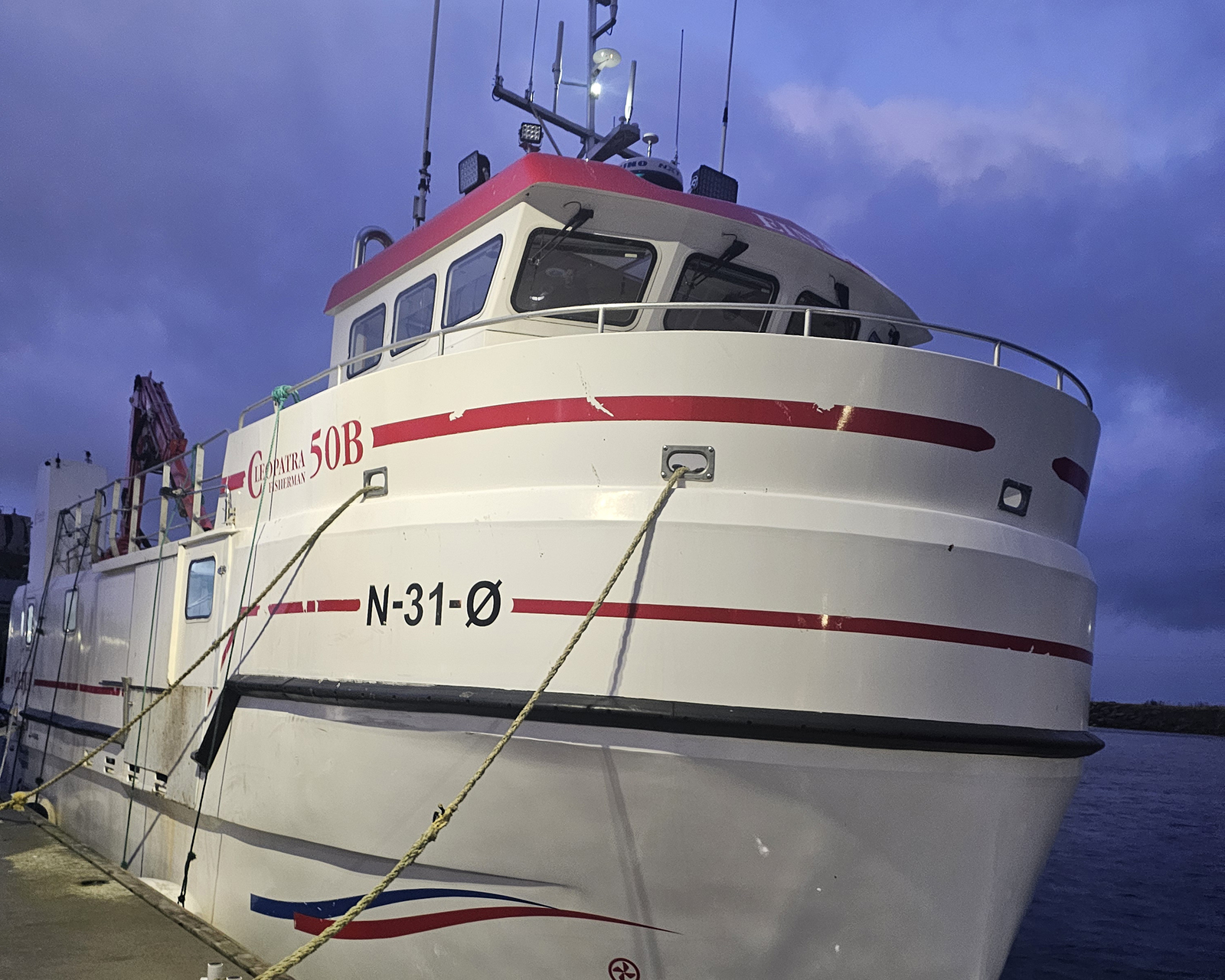
There’s no doubt! - the electric coastal baiting machine is ten times better than the hydraulic version.” - new statement from the skipper and owner Ólafur Einarsson, Øksnes, Norway – Autoline vessel Einar
"We have now operated the electric baiting machine from Mustad Autoline for one year (Number of hooks through the machine; 3 740 178). During this period, we have only replaced four knives. The reason was that the motor initially delivered too much torque (Nm), which caused the knives to break. The motor torque is now adjusted to the correct leval.
Our overall experience has been very positive. There is no question that Mustad has developed a machine that is significantly improved — at least ten times better than the hydraulic version.
E-Line AutoBaiter – Mustad Autoline
https://vimeo.com/1136882479
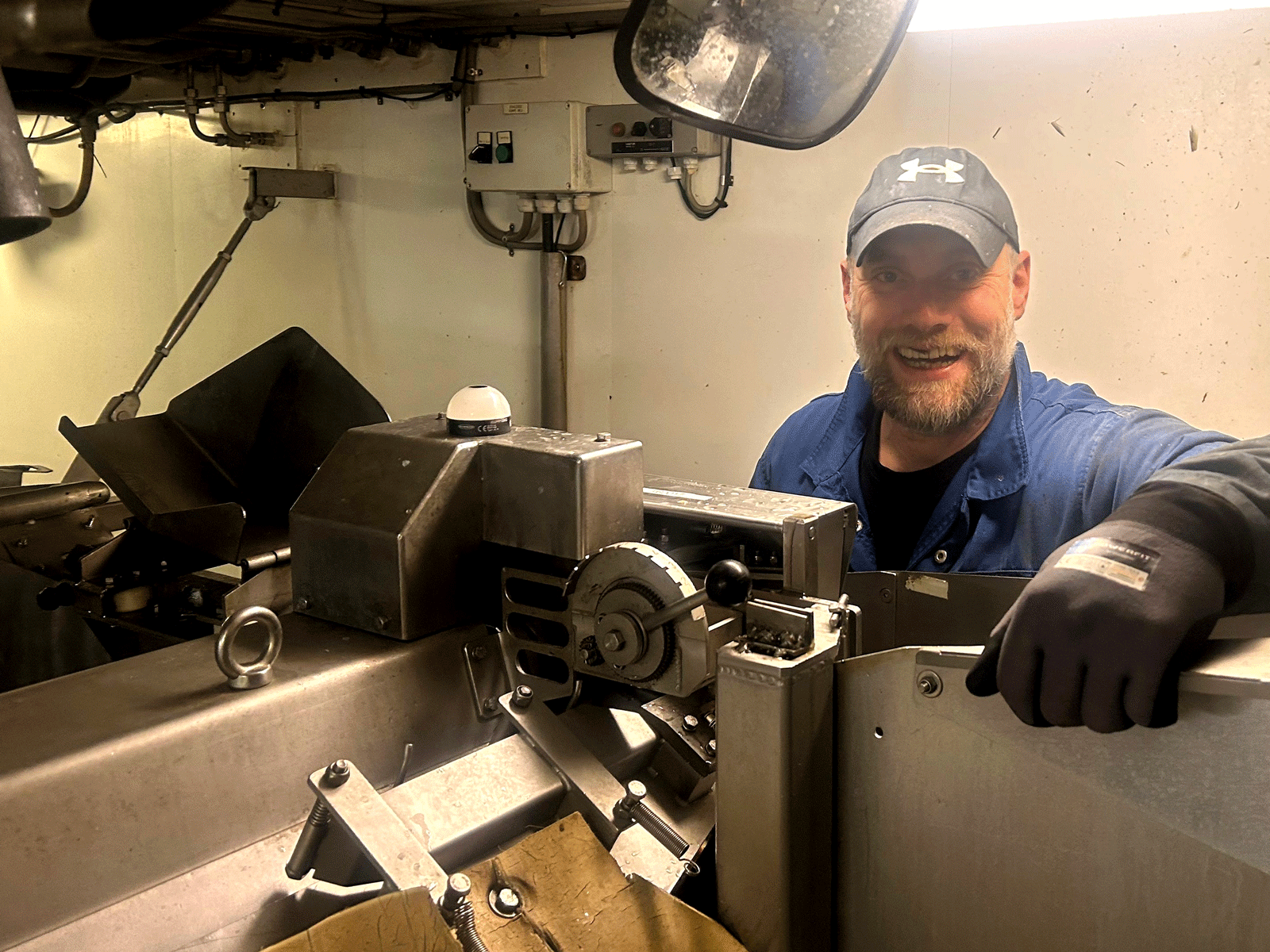
Mustad Autoline E-Line system; Greetings from Chief Engineer Sebastian Gustafsson at M/S Fiskenes
We are keeping more of the larger fish on the line during hauling